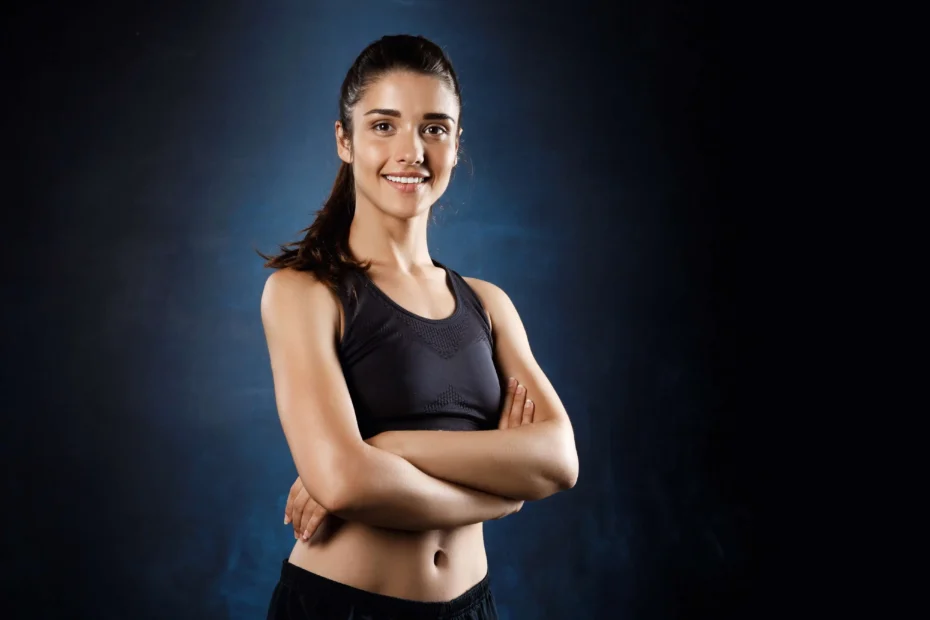
Motherhood changes everything your priorities, your schedule, and yes, your body. But what if fitness for moms wasn’t about chasing a younger version of yourself or squeezing into prebaby jeans? What if it was about training for life?
Welcome to The Ageless Athlete Blueprint smarter, more sustainable approach to fitness that shifts the focus from aesthetics to longevity, mobility, and resilience. This isn’t about pushing harder or doing more. It’s about moving better so you can stay strong, athletic, and pain free for decades to come.
If you’re a mom dealing with tight hips, lower back pain, stiff shoulders, or constant aches, you’re not broken. You’re simply missing the right framework. And that’s exactly what this guide delivers.
Why Moms Need a New Fitness Narrative
Traditional fitness often asks one question: How do I look?
The Ageless Athlete asks a better one: How well can I move for life?
Pregnancy, postpartum recovery, breastfeeding, carrying kids, sitting at work, and chronic stress all shape a mother’s body in unique ways. These demands require functional mobility, not just calorie burning workouts.
Without it, many moms experience:
- Chronic lower back pain
- Tight hips and hip flexors
- Weak core and pelvic instability
- Shoulder and neck tension
- Increased injury risk as they age
The solution isn’t quitting exercise. It’s training with intention.
What Does “Ageless Athlete” Really Mean?
Being an ageless athlete doesn’t mean running marathons or lifting heavy forever. It means:
- Moving pain free
- Maintaining strength and balance
- Preserving joint health
- Recovering faster
- Staying confident in your body at every age
It’s the foundation of longevity fitness for women and mobility is the cornerstone.
The 5 Mobility Pillars of the Ageless Athlete Blueprint
Each pillar supports the next. Skip one, and the whole system becomes unstable. Master all five, and you create a body that’s strong, adaptable, and resilient.
Pillar 1: Hip Mobility the Engine of Athletic Aging
If there’s one area every mom needs to prioritize, it’s the hips.
Your hips connect your upper and lower body. When they’re stiff or weak, your lower back, knees, and even shoulders compensate often painfully.
Why Hip Mobility Matters for Moms
- Pregnancy shortens hip flexors
- Sitting tightens hips further
- Carrying children creates asymmetry
- Weak glutes overload the lower back
Improving hip mobility can dramatically reduce back pain in motherhood and restore natural movement patterns.
Key Hip Mobility Exercises
- 90/90 hip rotations
- Hip flexor stretches with glute activation
- Deep squat holds
- Glute bridges and clamshells
💡 Fit Mom Tip: Mobility isn’t passive stretching. Always pair flexibility with strength and control.
Pillar 2: Core Stability the Missing Link After Motherhood
Forget crunches. The ageless athlete’s core is about stability, not aesthetics.
Pregnancy stretches the abdominal wall, impacts breathing mechanics, and challenges pelvic floor function. Without rebuilding stability, everything else suffers.
Why Core Stability Prevents Back Pain
A weak core forces your lower back to do the work it shouldn’t be doing. This is one of the biggest reasons moms experience persistent pain even years postpartum.
Core Training That Actually Works
- Dead bugs
- Bird dogs
- Side planks
- Breathing based core engagement
These exercises retrain the deep core muscles to support daily movement from lifting groceries to chasing toddlers.
Pillar 3: Thoracic Mobility Unlocking the Upper Body
Hours of nursing, phone scrolling, and desk work lead to rounded shoulders and stiff upper backs. Over time, this limits breathing, posture, and shoulder function.
Why Thoracic Mobility Is Crucial
- Improves posture
- Reduces neck and shoulder pain
- Enhances breathing efficiency
- Supports overhead strength safely
Mobility Drills to Try
- Thoracic spine rotations
- Foam rolling the upper back
- Wall angels
- Cat cow variations
An open, mobile upper back allows your body to move as one connected system key to athletic aging.
Pillar 4: Joint Integrity Training the Small Things for Big Results
Ageless athletes don’t ignore ankles, wrists, or knees. They strengthen them.
As we age, joint health determines how long we stay active. For moms, joint stress is constant from carrying kids to repetitive daily tasks.
Why Joint Mobility Prevents Injury
Healthy joints:
- Absorb force better
- Move through full ranges safely
- Reduce wear and tear
- Improve balance and coordination
Joint Focused Training Ideas
- Ankle mobility drills
- Knee stability exercises
- Wrist and shoulder circles
- Controlled tempo movements
This is how you stay injury free, not just fit.
Pillar 5: Nervous System Recovery the Hidden Mobility Factor
Mobility isn’t just physical it’s neurological.
Chronic stress tightens muscles, restricts movement, and slows recovery. Moms are often in a constant state of “go,” which keeps the nervous system stuck in overdrive.
Why Recovery Is NonNegotiable
Without recovery:
- Muscles stay tight
- Mobility gains disappear
- Injuries increase
- Energy levels drop
Simple Recovery Practices
- Breathwork
- Slow mobility flows
- Walking outdoors
- Sleep prioritization
Training for longevity means knowing when to pushand when to restore.
How the Ageless Athlete Blueprint Fits into Real Mom Life
This isn’t about hourlong workouts. It’s about consistency over intensity.
You can apply these principles in:
- 1020-minute mobility sessions
- Warmups before strength workouts
- Evening winddown routines
- Active recovery days
That’s what makes this approach sustainable for busy moms.
Functional Mobility for Moms vs. Traditional Workouts
Traditional workouts:
- Focus on calories
- Ignore movement quality
- Increase injury risk over time
Functional mobility training:
- Enhances daily performance
- Supports FitMom strength
- Builds confidence
- Protects joints long term
The difference is profound and lifechanging.
Common Myths Moms Believe About Mobility
“I’m too old to move like that.”
False. Mobility improves at any age with the right approach.
“Stretching is enough.”
Stretching without strength can make joints unstable.
“I don’t have time.”
You don’t have time not to move well.
How to Start the Ageless Athlete Journey Today
Start small. Pick one pillar and integrate it this week:
- Add 5 minutes of hip mobility
- Practice core stability exercises
- Improve posture through thoracic work
Momentum builds quickly when your body starts feeling better.
Why This Blueprint Aligns Perfectly with FitMomClub
FitMomClub isn’t about extremes. It’s about strong, capable, confident moms who train for real life.
The Ageless Athlete Blueprint supports:
- Longterm vitality
- Pain free movement
- Sustainable strength
- Confidence through every stage of motherhood
This is fitness that evolves with you.
Conclusion: Train for Life, Not Just for Now
Motherhood doesn’t mean giving up athleticism it means redefining it.
By embracing the Ageless Athlete Blueprint and its five mobility pillars, you stop chasing quick fixes and start building a body that supports you for life. You move with confidence, recover faster, and stay active not just today, but for decades to come.
This is the power of functional mobility for moms.
This is how you prevent pain, protect your strength, and age athletically.
This is how you train not to look good but to live well.
Welcome to the future of FitMom fitness. 💪✨
The best natural weight-loss method includes eating whole foods, reducing portion sizes, choosing high-fiber carbs, increasing protein, staying hydrated, and being physically active.
No. Carbs are essential. Choose complex carbs like oats, whole grains, and sweet potatoes because they stabilize blood sugar and keep you full longer.
High-protein foods (chicken, eggs, yogurt), fiber-rich foods (oats, veggies), fruits, nuts, seeds, and whole grains all support weight loss.
Yes. Weight loss is possible through mindful eating, portion control, and choosing balanced meals instead of restrictive dieting.
Aim for 8–10 glasses a day. Staying hydrated helps prevent overeating, boosts metabolism, and supports digestion.
No. Even 30 minutes of walking daily plus strength training 2–3 times a week can significantly improve fat loss.
Yes. High-protein diets reduce cravings, increase satiety, and help maintain muscle while losing fat.