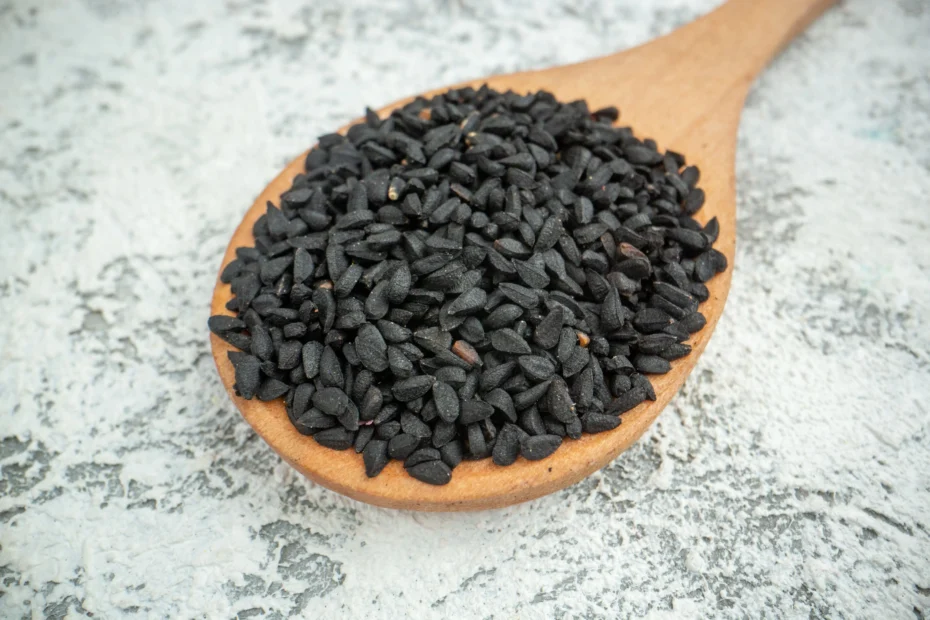
Thyroid disorders, especially hypothyroidism and Hashimoto’s Thyroiditis, are becoming increasingly common worldwide. Sedentary lifestyles, chronic stress, nutrient deficiencies, gut imbalances, and environmental toxins all contribute to the rising burden of thyroid dysfunction. While thyroid medication such as levothyroxine remains the cornerstone of treatment, many people actively look for natural dietary strategies that can support thyroid health, digestion, and overall metabolism.
One such traditional ingredient gaining renewed scientific attention is black jeera, also known as kalonji or Nigella sativa. Used for centuries in Ayurveda, Unani, and Middle Eastern medicine, black jeera is often referred to as a “seed of blessing.” Modern research is now uncovering how this humble spice may influence gut health, inflammation, metabolism, and indirectly, thyroid function.
In this in-depth article, we will explore how black jeera supports digestion, its role in the gut–thyroid axis, and whether it can truly help people managing thyroid disorders. The discussion is grounded in findings referenced by WHO, American Thyroid Association (ATA), National Institute of Nutrition (NIN), and PubMed-indexed studies, while keeping the explanation practical and easy to understand.
What Is Black Jeera (Nigella sativa)?
Black jeera (Nigella sativa) is a small black seed with a slightly bitter, peppery taste. It is commonly used in Indian cooking for tempering dals, vegetables, and breads, and also consumed as oil or powder for medicinal purposes.
Nutritional Profile of Black Jeera
Black jeera is nutritionally dense and contains several bioactive compounds that support metabolic and immune health:
- Thymoquinone (primary active compound)
- Antioxidants (phenols and flavonoids)
- Essential fatty acids (omega-6 and omega-9)
- Minerals such as iron, zinc, calcium, and magnesium
- Amino acids and plant sterols
These components work together to influence inflammation control, oxidative stress reduction, insulin sensitivity, and gut health, all of which are closely linked to thyroid function.
Understanding the Gut–Thyroid Axis
To understand how black jeera may support thyroid health, it’s important to first understand the gut–thyroid axis.
The gut and thyroid communicate constantly through:
- Immune signalling
- Nutrient absorption
- Hormone conversion
- Inflammatory pathways
Nearly 70% of the immune system resides in the gut, and autoimmune thyroid disorders like Hashimoto’s originate from immune dysregulation. Additionally, about 20–30% of T4 is converted to active T3 in the gut, making digestive health crucial for thyroid hormone balance.
A compromised gut can lead to:
- Poor nutrient absorption (iodine, selenium, zinc, iron)
- Increased intestinal permeability (“leaky gut”)
- Elevated inflammation and autoantibody production
This is where digestive-supportive foods like black jeera become relevant.
How Black Jeera Improves Digestion
- Enhances Digestive Enzyme Activity
Black jeera stimulates the secretion of digestive enzymes and bile, helping the body break down fats, proteins, and carbohydrates more efficiently. Better digestion means improved nutrient absorption, which is essential for thyroid hormone synthesis.
- Reduces Bloating, Gas, and Indigestion
Traditionally, black jeera has been used to relieve:
- Gas
- Abdominal discomfort
- Slow digestion
Its carminative properties help relax intestinal muscles and reduce fermentation in the gut.
- Supports Healthy Gut Microbiota
Emerging research suggests that Nigella sativa has mild prebiotic and antimicrobial properties, helping balance gut bacteria. A healthier microbiome supports immune tolerance, which is critical in autoimmune thyroid disorders.
How Black Jeera May Support Thyroid Health
- Reduces Thyroid Inflammation
Hashimoto’s Thyroiditis is characterized by chronic inflammation and immune-mediated destruction of thyroid tissue.
Studies indexed on PubMed indicate that black seed oil supplementation may:
- Reduce C-reactive protein (CRP)
- Lower erythrocyte sedimentation rate (ESR)
- Decrease thyroid peroxidase antibodies (TPO-Ab) in some individuals
The active compound thymoquinone modulates inflammatory pathways and suppresses excessive immune activation, potentially protecting thyroid cells from ongoing damage.
- Improves Thyroid Hormone Parameters
Some small-scale human studies have observed improvements in thyroid hormone balance with black jeera supplementation:
- Lower TSH levels
- Higher T3 levels
- Improved T3:T4 conversion
These changes are particularly relevant for people with hypothyroidism who experience persistent symptoms despite medication.
- Provides Strong Antioxidant Protection
The thyroid gland is highly sensitive to oxidative stress due to its role in hormone synthesis.
Thymoquinone, a powerful antioxidant, helps:
- Neutralize free radicals
- Protect thyroid tissue from oxidative damage
- Support healthier hormone production
Reducing oxidative stress may slow the progression of autoimmune thyroid damage over time.
4. Supports Metabolism and Weight Regulation
Weight gain is a common and frustrating symptom of hypothyroidism. Black jeera may help by:
- Improving fat metabolism
- Enhancing insulin sensitivity
- Reducing LDL cholesterol and triglycerides
- Supporting better blood sugar regulation
A healthier metabolic profile indirectly supports thyroid efficiency and energy levels.
Role of Black Jeera in Autoimmune Thyroid Conditions
Autoimmune thyroid disorders are not just thyroid problemsthey are immune system disorders.
Black jeera may help by:
- Modulating immune responses
- Reducing pro-inflammatory cytokines
- Supporting gut barrier integrity
This makes it particularly relevant for individuals with Hashimoto’s Thyroiditis, where gut health and immune balance are central to long-term management.
How Much Black Jeera to Use Safely
Moderation is key. Black jeera is potent, and more is not better.
Recommended Dosage
Adults:
- ½ teaspoon black jeera seeds daily
- OR ¼–½ teaspoon food-grade black seed oil daily
Children:
- 1–2 pinches of black jeera powder mixed into food
👉 Always consume with meals, not on an empty stomach, to avoid gastric irritation.
Best Time to Consume Black Jeera
- Morning after breakfast
- With lunch or dinner
- Mixed into curd or warm foods
Consistency over time matters more than timing.
Who Should Avoid or Use Caution with Black Jeera
Although natural, black jeera is not suitable for everyone.
Use caution or avoid if you are:
- Pregnant or breastfeeding
- Taking anti-diabetic medications
- On blood pressure or blood-thinning medications
- Having bleeding disorders
- Using strong immunomodulatory supplements
👉 Always consult a qualified healthcare provider before regular use, especially if you have a diagnosed thyroid condition.
Practical Ways to Add Black Jeera for Thyroid Support
Here are easy, everyday ways to include black jeera in your diet:
- Morning digestive drink:
Boil ½ tsp black jeera in water, sip after breakfast
- With curd (yogurt):
Supports gut health and immune balance
- In daily cooking:
Add to dals, sabjis, chicken, fish, or paneer
- Roti or paratha dough:
Mix ¼ tsp into flour before kneading
- With honey:
Mix ¼ tsp powder with ½ tsp honey for anti-inflammatory benefits
Common Myths About Black Jeera and Thyroid Health
Myth 1: Black jeera can cure hypothyroidism
❌ False. It cannot cure thyroid disorders.
Myth 2: You can stop thyroid medication
❌ Dangerous. Never discontinue medication without medical advice.
Myth 3: More black jeera works faster
❌ Excess intake may cause side effects.
Black jeera works as a supportive dietary tool, not a replacement therapy.
Black Jeera Is Not a Replacement for Thyroid Medication
It is essential to emphasize that black jeera cannot replace prescribed thyroid medications like levothyroxine.
Instead, it should be viewed as:
- A nutritional adjunct
- A digestive and anti-inflammatory aid
- A supportive lifestyle addition alongside medical care
Optimal thyroid management combines:
- Medication
- Balanced nutrition
- Gut health support
- Stress management
- Adequate sunlight and sleep
What Research Organizations Say
- WHO recognizes the importance of dietary and lifestyle factors in managing chronic endocrine disorders.
- American Thyroid Association (ATA) supports integrative approaches alongside evidence-based treatment.
- National Institute of Nutrition (NIN) emphasizes traditional foods and spices for metabolic health.
- PubMed studies highlight the anti-inflammatory, antioxidant, and metabolic benefits of Nigella sativa.
Conclusion
Black jeera (Nigella sativa) is a powerful traditional seed with growing scientific evidence supporting its role in digestion, inflammation control, metabolic health, and immune modulation. Through its effects on the gut–thyroid axis, it may indirectly support thyroid function, particularly in individuals with hypothyroidism or Hashimoto’s Thyroiditis.
When used in small, consistent amounts, black jeera can help improve gut health, reduce oxidative stress, support hormone balance, and enhance overall well-being. However, it is not a cure and not a substitute for thyroid medication. The best results come from combining it with prescribed treatment, nutrient-rich meals, and healthy lifestyle habits.
Used wisely, black jeera can be a valuable ally on the journey toward better thyroid and digestive health.
The best natural weight-loss method includes eating whole foods, reducing portion sizes, choosing high-fiber carbs, increasing protein, staying hydrated, and being physically active.
No. Carbs are essential. Choose complex carbs like oats, whole grains, and sweet potatoes because they stabilize blood sugar and keep you full longer.
High-protein foods (chicken, eggs, yogurt), fiber-rich foods (oats, veggies), fruits, nuts, seeds, and whole grains all support weight loss.
Yes. Weight loss is possible through mindful eating, portion control, and choosing balanced meals instead of restrictive dieting.
Aim for 8–10 glasses a day. Staying hydrated helps prevent overeating, boosts metabolism, and supports digestion.
No. Even 30 minutes of walking daily plus strength training 2–3 times a week can significantly improve fat loss.
Yes. High-protein diets reduce cravings, increase satiety, and help maintain muscle while losing fat.