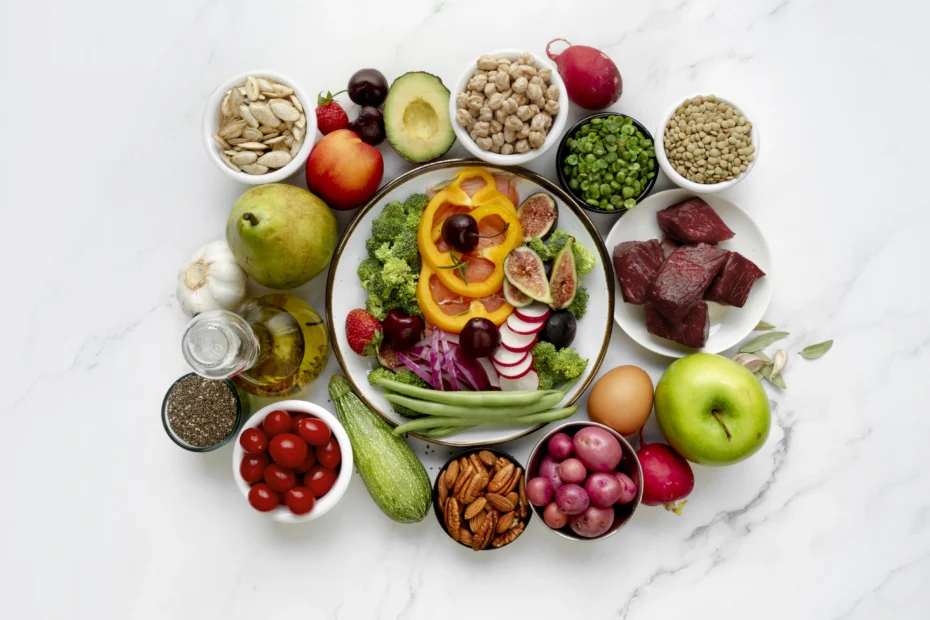
Healthy, sustainable weight loss doesn’t require starvation, crash diets, or giving up your favorite foods. According to the World Health Organization (WHO) and the National Institute of Nutrition (NIN), long-term weight management is best achieved through balanced eating, whole foods, and consistent lifestyle habits.
When you focus on nourishing your body instead of restricting it, weight loss becomes more natural, enjoyable, and sustainable.
1. Focus on Real, Whole Foods
A healthy diet for weight loss starts with whole, minimally processed foods. These foods help regulate appetite, improve digestion, and support long-term fat loss.
Build your meals with:
- Lean proteins: chicken, fish, eggs, tofu, soya chunks
- Vegetables: leafy greens, cruciferous veggies, colorful vegetables
- Fruits: berries, apples, oranges, bananas
- Whole grains: brown rice, oats, quinoa
- Healthy fats: nuts, seeds, avocado, olive oil
The WHO Healthy Diet Guidelines emphasize that whole foods increase satiety, prevent overeating, and reduce obesity risk.
2. Watch Your Portion Sizes
Portion control is one of the most effective strategies for weight loss without feeling deprived.
- Simple portion control habits:
- Use smaller plates
- Fill half your plate with vegetables
- Eat slowly and mindfully
- Stop when you feel comfortably full
The NIN highlights that appropriate portions help prevent excess calorie intake and support long-term weight maintenance.
3. Don’t Fear Carbs. Choose the Right Ones
Carbohydrates are essential for energy. Instead of avoiding carbs, choose complex carbohydrates and high-fiber foods, which support weight management.
Smart carbs for weight loss:
- Oats
- Sweet potatoes
- Brown rice
- Whole-grain pasta
- Beans and lentils
WHO guidelines recommend fiber-rich whole grains for better digestion, improved metabolism, and long-term weight management.
4. Protein Is Your Weight-Loss Friend
A high-protein diet increases fullness, preserves muscle mass, and boosts metabolism, all essential for healthy weight loss.
Include protein sources like:
- Chicken
- Fish and seafood
- Eggs
- Greek yogurt
- Beans, lentils, and legumes
Studies show that diets containing 25–30% protein help reduce cravings, enhance satiety, and improve weight-loss outcomes.
5. Stay Hydrated Throughout the Day
Hydration plays a crucial role in metabolism, energy levels, and appetite control.
Benefits of drinking enough water:
- Prevents confusing thirst with hunger
- Supports digestion and nutrient absorption
- Boosts metabolic rate slightly
- Improves overall wellness
Aim for 8–10 glasses of water daily, depending on your activity level and climate.
6. Practice Mindful Eating
Mindful eating helps you slow down, listen to hunger cues, and make better food decisions.
Be aware of:
- Emotional or stress eating
- Late-night cravings
- Eating while distracted (TV or phone)
Research in behavioral nutrition shows mindful eating reduces overeating and supports long-term healthy eating habits.
7. Plan Your Meals Ahead
Meal planning is a powerful way to control calories and avoid unhealthy food choices.
Try:
- Preparing weekly lunches
- Keeping healthy snacks handy
- Creating a grocery list
- Avoiding shopping while hungry
According to the NIN, planned meals promote nutrient balance and prevent dependence on fast food.
8. Allow Yourself Flexibility
You don’t need to be perfect to lose weight; you just need consistency.
Allowing occasional treats prevents binge eating and makes healthy eating sustainable.
Flexible dieting approaches have been shown to improve long-term adherence and reduce stress around food.
9. Combine Healthy Eating with Movement
While diet plays the biggest role in weight management, physical activity boosts fat loss, improves metabolism, and supports overall health.
Aim for:
- 30 minutes of brisk walking daily
- Strength training 2–3 times per week
- Fun activities: swimming, dancing, cycling
Both WHO and NIN stress that combining smart nutrition + regular movement is the best formula for sustainable weight loss.
Conclusion
Eating the right to lose weight isn’t about strict rules; it’s about building long-term habits that support your body.
Global health organizations like WHO and NIN, along with scientific research, agree that a combination of:
- nutrient-rich meals
- portion control
- mindful eating
- hydration
- regular physical activity
This leads to healthy, sustainable weight loss.
Start with small steps. Choose foods that nourish your body. Stay consistent.
Over time, you’ll feel lighter, stronger, healthier, and more confident.
The best natural weight-loss method includes eating whole foods, reducing portion sizes, choosing high-fiber carbs, increasing protein, staying hydrated, and being physically active.
No. Carbs are essential. Choose complex carbs like oats, whole grains, and sweet potatoes because they stabilize blood sugar and keep you full longer.
High-protein foods (chicken, eggs, yogurt), fiber-rich foods (oats, veggies), fruits, nuts, seeds, and whole grains all support weight loss.
Yes. Weight loss is possible through mindful eating, portion control, and choosing balanced meals instead of restrictive dieting.
Aim for 8–10 glasses a day. Staying hydrated helps prevent overeating, boosts metabolism, and supports digestion.
No. Even 30 minutes of walking daily plus strength training 2–3 times a week can significantly improve fat loss.
Yes. High-protein diets reduce cravings, increase satiety, and help maintain muscle while losing fat.